
October 28, 2026
A frozen pipe is more than an inconvenience — once ice forms, pressure builds behind it and the pipe can crack or burst, often in a wall or ceiling where you won't see the leak until it's already caused damage.
Start with the pipes most exposed to cold: anything running through a crawl space, garage, attic, or exterior wall. Foam pipe sleeves or heat tape are inexpensive and make a real difference during a hard freeze.
Disconnect and drain garden hoses, and shut off and drain any exterior spigots or hose bibs. A hose left attached can trap water in the line right where it connects to the house.
Under sinks that sit against an exterior wall, open the cabinet doors on the coldest nights so warm household air can reach the supply lines underneath.
On especially cold nights, let faucets fed by exposed or vulnerable pipes drip slowly. Moving water is far less likely to freeze solid than water sitting still in the line.
Keep your thermostat set consistently, even if you're out of town — don't let the house drop below 55°F. A furnace that cycles off for days is one of the most common reasons pipes freeze while no one's home.
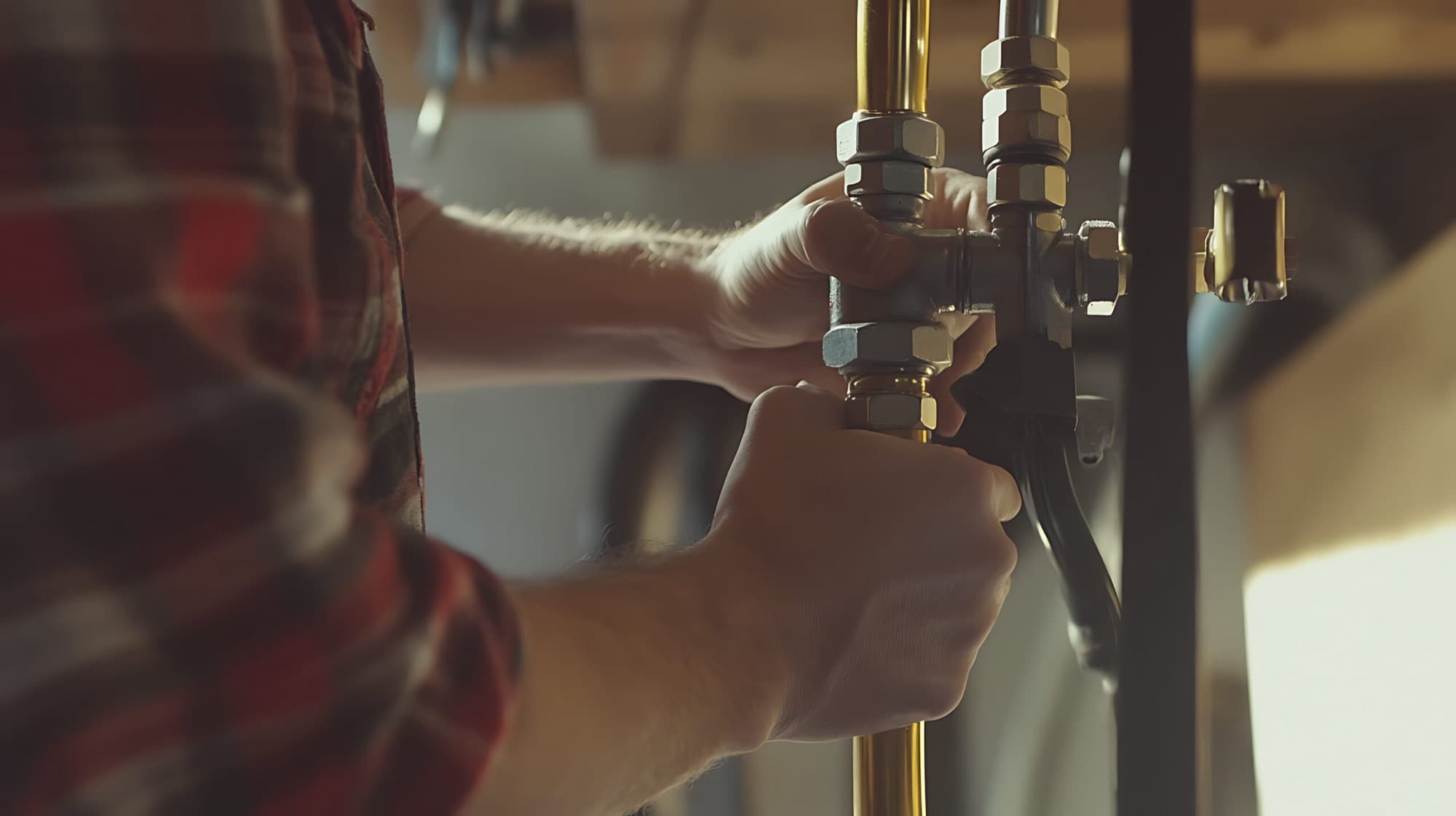
Know where your main water shutoff valve is before you need it. If a pipe does freeze or burst, shutting off the water quickly is the single best thing you can do to limit the damage.
If you're dealing with a frozen or burst pipe right now, don't wait — call Andrews Plumbing. We handle emergency calls across Northeast Indiana and Northwest Ohio and can get a tech out to stop the damage and make the repair.